
Visiting Auschwitz-Birkenau: 7 Crucial Things to Know Before You Go (2026 Guide)
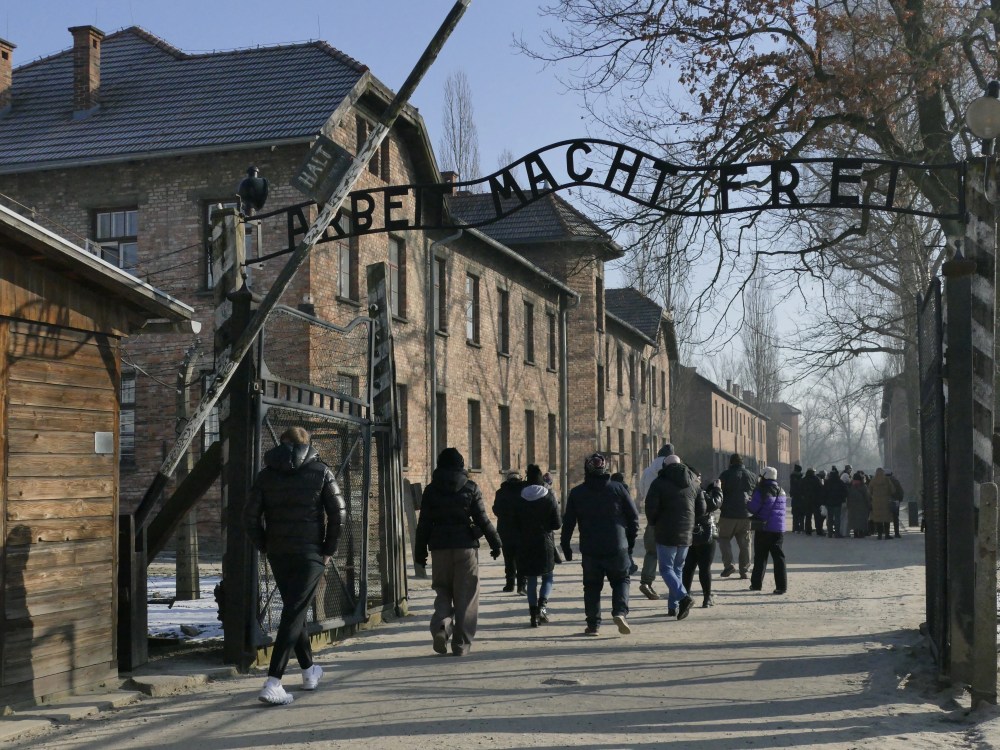
Auschwitz I ‘Arbeit Macht Frei’ gate
Visiting Auschwitz-Birkenau: 7 Crucial Things to Know Before You Go (2026 Guide)
Planning a trip to Krakow often includes a deeply moving historical journey: visiting the former Nazi concentration and extermination camp, Auschwitz-Birkenau. Located approximately 70 kilometers west of Krakow near the town of Oświęcim, this UNESCO World Heritage Site stands as a permanent memorial to over 1.1 million victims.
Because it is one of the most visited historical sites in Europe, proper logistics and advance planning are absolutely essential. Strict entry slots, rigorous security checks, and specific transportation rules catch hundreds of unprepared visitors off guard every week.
To help you prepare for a respectful, smooth, and hassle-free experience, here are the 7 crucial things you must know before visiting Auschwitz-Birkenau.
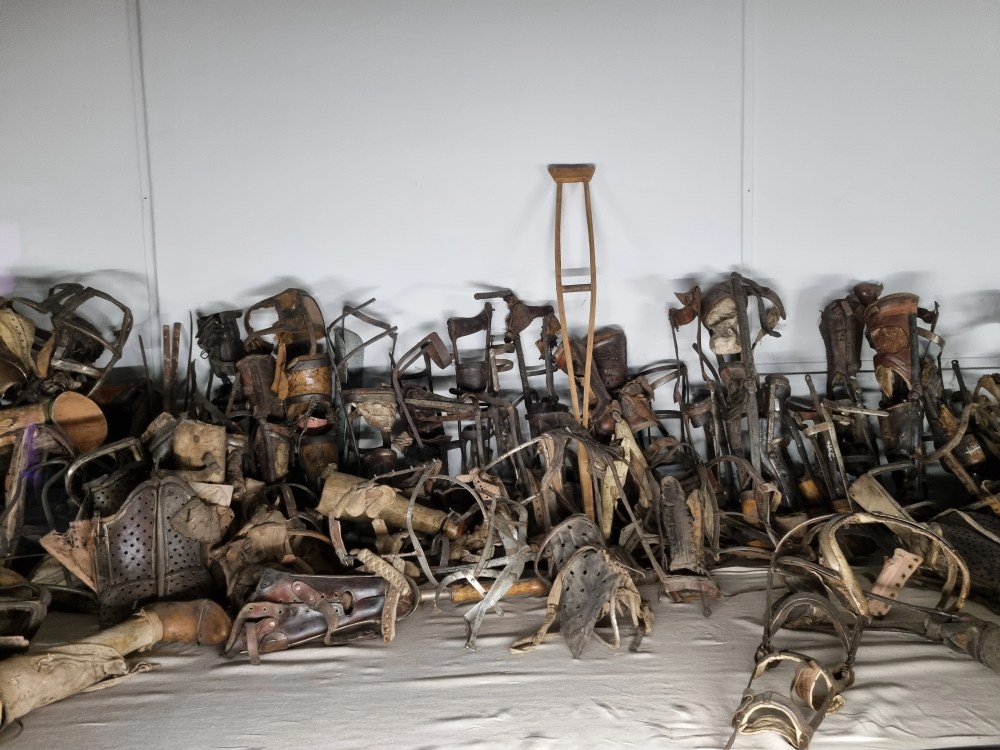
Auschwitz-Birkenau Museum prisoners’ prostheses exhibit
1. You Must Book Your Auschwitz-Birkenau Visit in Advance: No Tickets Sold On-Site
This is the single most critical rule when planning your trip: it is currently impossible to purchase tickets on-site at the museum gate.
- No Ticket Desk Purchases: If you travel to Auschwitz without an entry pass booked in advance, you will not be allowed inside. The museum does not operate walk-in ticket sales, and arriving without a reservation guarantees a wasted trip.
- Individual Passes Sell Out Fast: Official guided educator passes on the museum’s booking platform routinely sell out ahead of time, especially during the high season (April through October).
💡 Pro-Tip: If individual passes are unavailable for your chosen date, booking an organized tour from Krakow is an excellent solution. Licensed tour operators like SeeKrakow secure group allotments with official museum educators in advance, making it possible to join a tour even when general individual tickets are gone.
2. Your ID or Passport Name Must Match Your Ticket Exactly
Security at the entrance to the Auschwitz-Birkenau Museum takes personal identification very seriously. Every ticket issued is strictly non-transferable and personalized.
- When booking, make sure your first and last names are entered exactly as they appear on your government-issued ID or passport.
- At the gate, security personnel compare your ticket with your physical identity document.
- Bring the original physical document: Digital photos or scans on a smartphone screen are frequently rejected by security staff.
3. Strict Bag Size Limit: Maximum 30 × 20 × 10 cm
Security at the Auschwitz-Birkenau Museum resembles airport gate screening. You will pass through metal detectors, and all belongings pass through X-ray scanners.
- The maximum allowable bag size brought onto the grounds is 30 × 20 × 10 cm (roughly equivalent to an A4 sheet of paper or a small clutch).
- Backpacks, larger handbags, and luggage are strictly prohibited inside the exhibition blocks.
- While on-site paid luggage lockers exist near the visitor entrance, lines can be long and space is limited.
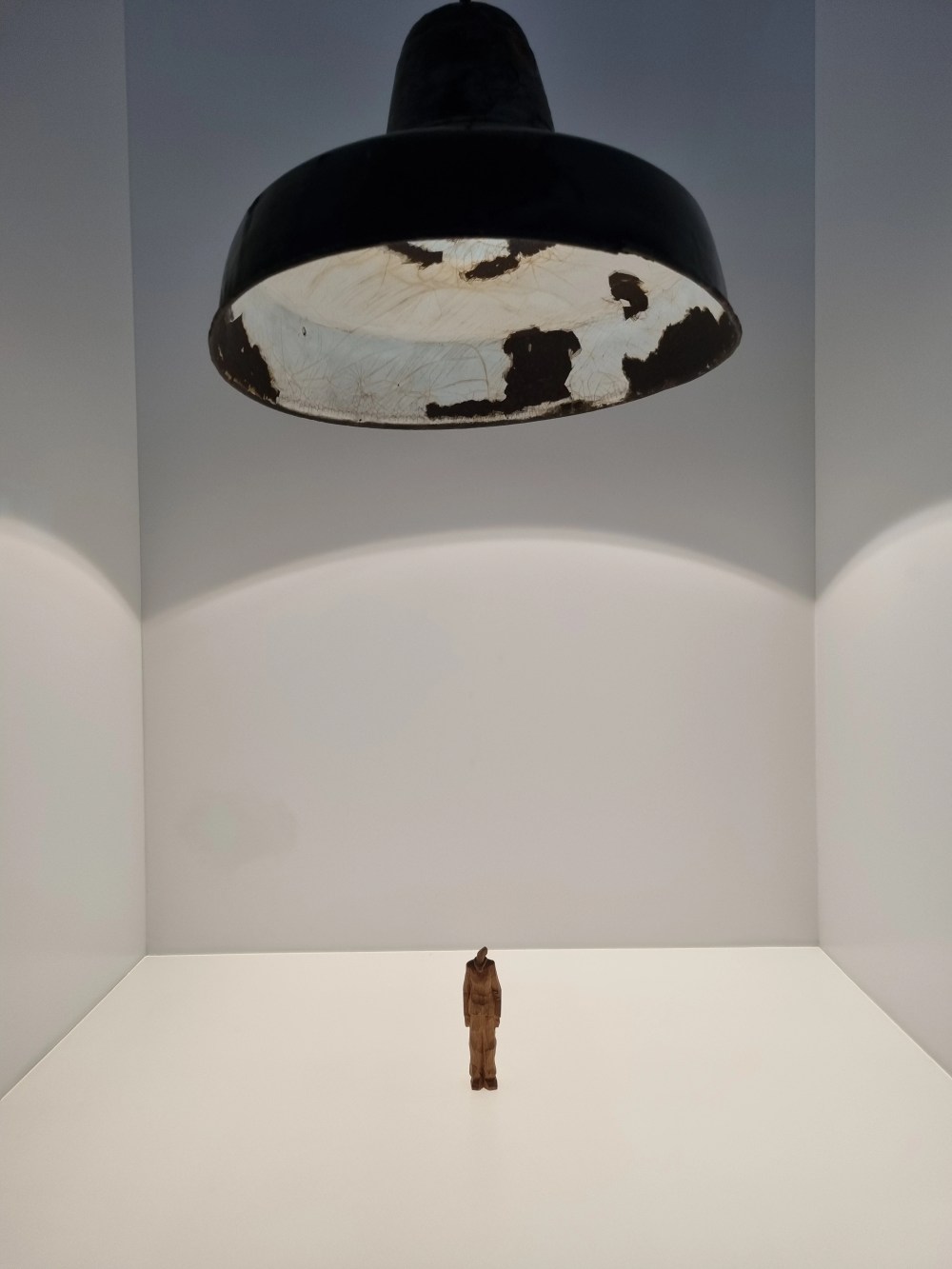
Lonely figure under enamel lamp symbolizing the isolation of prisoners at Auschwitz-Birkenau – part of the exhibition
🚍 Plan Your Visit Without the Logistical Stress
Organizing buses, coordinating museum entry slots, and navigating bag storage can take the focus away from the historical significance of the site.
Join a seamless guided experience with SeeKrakow:
- Guaranteed official Auschwitz-Birkenau Museum entry tickets & certified educator.
- Comfortable, air-conditioned transport direct from Krakow city center.
- Leave your larger belongings safely in the vehicle during your visit.
👉 Check Live Availability & Book Your Auschwitz-Birkenau Tour Here
4. The Visit Covers Two Separate Sites (Auschwitz I & Birkenau)
Many first-time visitors don’t realize that Auschwitz-Birkenau consists of two distinct camps situated about 3.5 kilometers apart:
- Auschwitz I (The Stammlager / Main Camp): Where most guided tours start. It features the red-brick administrative barracks, the infamous “Arbeit Macht Frei” entrance gate, museum exhibitions, and the only standing gas chamber and crematorium on site.
- Auschwitz II-Birkenau (The Extermination Camp): The massive, sprawling site constructed later. It houses the iconic railway watchtower, extensive rail tracks, remnants of wooden barracks, and the ruins of gas chambers destroyed during the retreat.
- Between the camps: When you join an organized tour, your driver handles transport directly between the two camps. Independent visitors must wait for the museum shuttle bus, which runs every 15–30 minutes.
5. Expect Substantial Walking and Unpredictable Weather
A comprehensive guided visit across both camps typically takes around 3.5 to 4 hours. You will spend almost the entire duration on your feet.
- Footwear: Wear sturdy, closed-toe walking shoes. You will navigate gravel tracks, uneven cobblestones, and dirt paths. Leave sandals, flip-flops, and heels at your hotel.
- Exposed terrain at Birkenau: Auschwitz II-Birkenau is an open, windswept field covering over 400 acres with minimal tree cover or shelter.
- In summer, carry sun protection, a hat, and a bottle of still water (maximum 0.5L bottles are permitted inside).
- In spring and autumn/winter, wear warm layers, a windproof coat, and carry a compact umbrella.
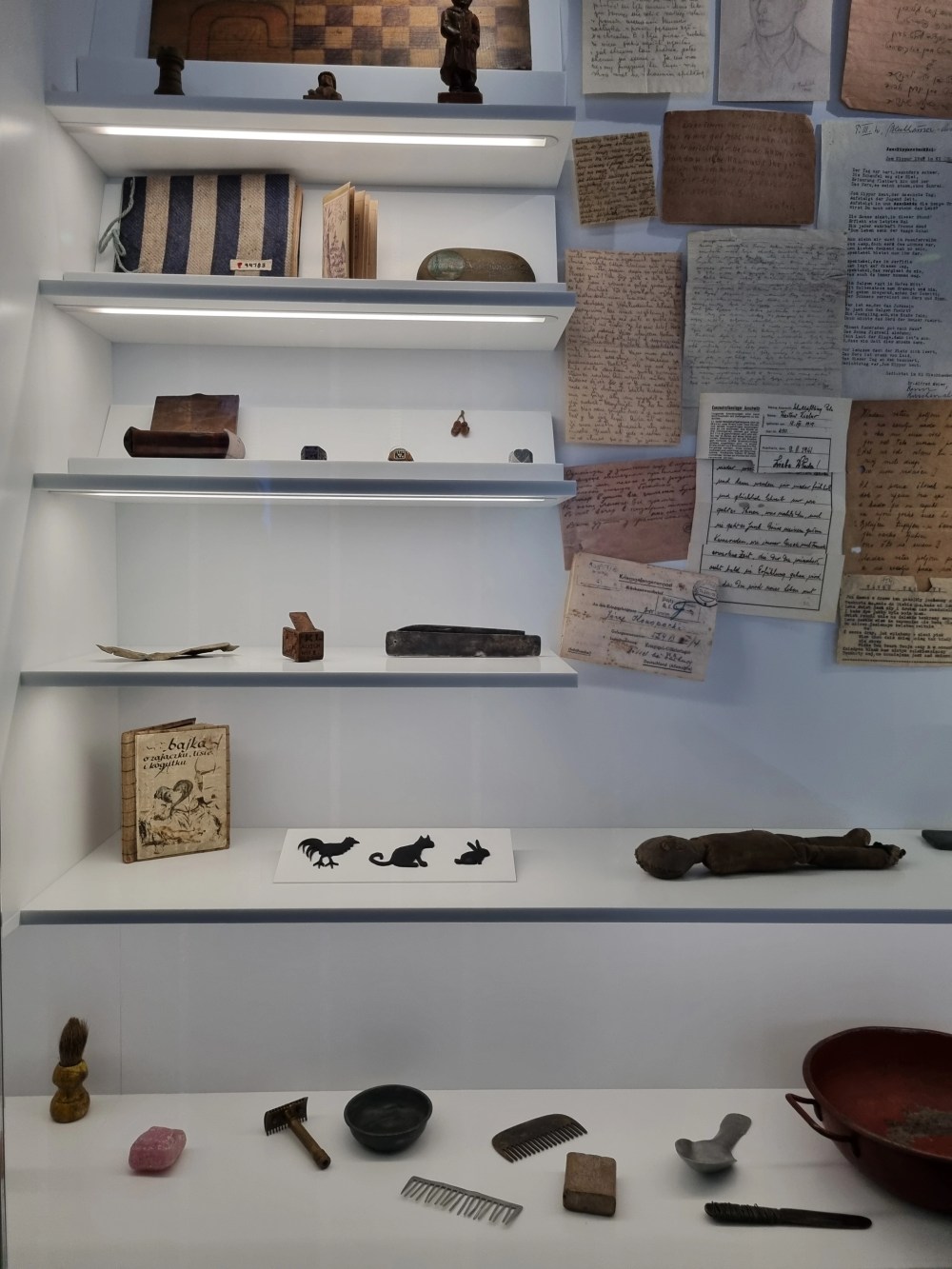
Auschwits-Birkenau prisoners’ belongings
6. The Memorial is Not Recommended for Children Under 14
The Auschwitz-Birkenau Museum explicitly advises against bringing children under the age of 14.
The exhibitions document real historical atrocities, including graphic photography, execution walls, and personal belongings recovered from victims (such as mounds of human hair, eyeglasses, and children’s shoes). The atmosphere is emotionally heavy and requires emotional maturity to process respectfully.
7. Rules of Decorum, Dress Code & Photography
Auschwitz-Birkenau is not an ordinary tourist attraction; it is a cemetery, an execution ground, and a place of international commemoration.
- Dress Code: Dress respectfully and modestly. Shoulders should be covered, and shorts or skirts should be of sensible length. Beachwear, sportswear, and revealing clothing are inappropriate.
- Photography: Photography for private, non-commercial use is permitted in most outdoor and indoor areas without flash or tripods. However, photography is strictly forbidden inside Block 4 (the room containing victims’ hair) and the subterranean cells of Block 11. Watch out for clear warning icons.
- General Conduct: Eating, smoking, using e-cigarettes, loud conversations, and inappropriate posed photos (especially along the railway tracks) are strictly prohibited.
❓ Frequently Asked Questions (FAQ)
Can I buy tickets when I arrive at Auschwitz?
No. There are currently no walk-in ticket sales at the museum gate. All passes must be reserved online in advance. Arriving without a booking means you will not be granted entry.
How far is Auschwitz-Birkenau from Krakow, and how long does the trip take?
Auschwitz-Birkenay is located roughly 70 km west of Krakow. The journey by road takes approximately 1 hour and 15 minutes to 1.5 hours each way. With the guided tour lasting around 3.5 hours, plan for a total round-trip commitment of 6.5 to 7.5 hours.
Can I visit Auschwitz-Birkenau without a guide?
Yes, the museum offers a limited number of admission passes for unaccompanied visitors during select early-morning or late-afternoon windows. However, these passes must also be booked ahead online. For a first visit, an official educator is essential to grasp the historical context.
Can I bring food and drinks inside?
You may bring a small bottle of water (up to 500 ml). Eating is prohibited on the memorial grounds. It is best to have a meal or snack before your tour begins or on the return trip.
Final Thoughts
Visiting Auschwitz-Birkenau is a poignant, unforgettable experience that stays with you long after leaving Poland. By preparing your documents, packing lightly, and securing your tickets early, you can focus on the history and memory of the site without unneeded logistical worries.
👉 Ready to arrange your visit? Book your guided tour with SeeKrakow today and let our local team handle your transport, timing, and guaranteed admission passes.
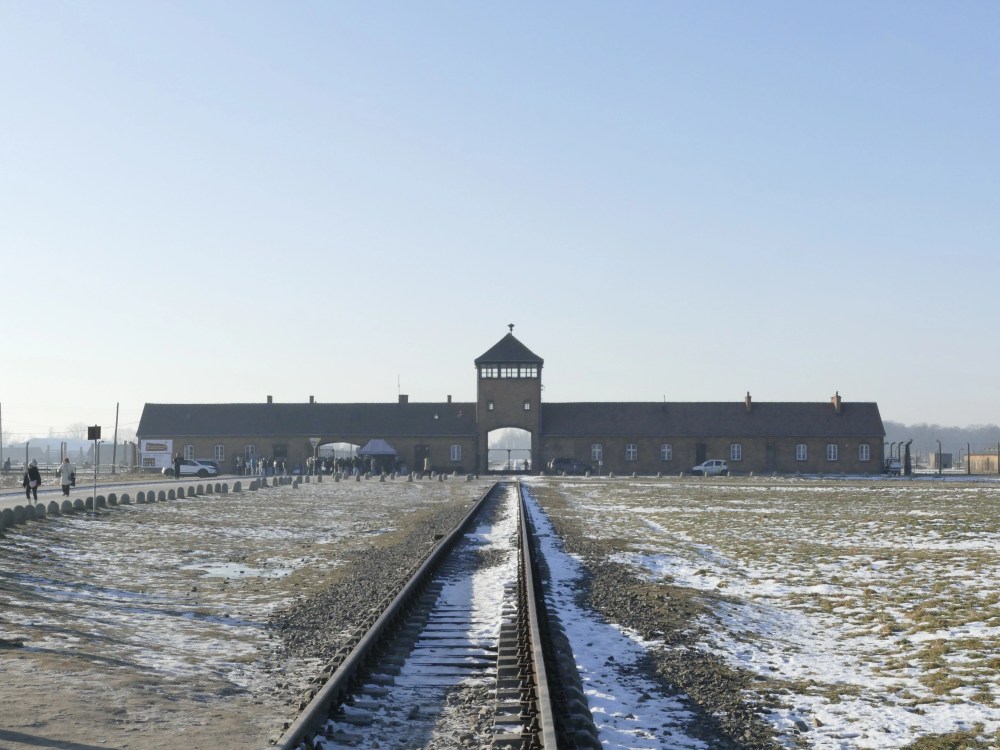
Auschwitz II – Birkenau main gate railway track


